
MARKET ACTIVITY
Hello Fellow Appraisers,
There are lots of posts about how to determine value. Maybe a simple but very effective chat will remove some of the hesitation as well as present a defendable approach to determining a value.
Let us start with a used item. You have two approaches. One is to research market activity for duplicate used items in the same condition as the subject item being appraised. The second is to research market activity for substitute used items in the same condition. These markets are both where used items sell. Substitute items have the same value elements as the item being appraised.
Now, let us do a new item. Again, you have two approaches. One is to research market activity for duplicate items as the subject item being appraised. And of course, one can seek, if no duplicates exist, a substitute item. Again, substitute items have the same value elements as the item being appraised. These markets are where new items sell.
However, we also have a subdivision of the above approaches, namely the cost approach. Cost approach is the reconstruction or reproduction of an item. Reconstruction is making the item as it was done originally (same tools, materials and techniques), whereas reproduction allows one to use contemporary tools, materials and techniques. The cost approach's components are all based on researching market activity. Thus, labor, parts, etc. are all researched in the basic approaches for items. Cost approach comes into play if no market exists, data from the market will lead to an erroneous conclusion, or the item is unique. Unique does not mean custom.
This methodology is for determining value for most all appraisal assignments. Yes, buy Appraisal Principles and Procedures, Henry A. Babcock and check out page 147 and in addition read in detail the in-depth tutorials in Appraising Demystified website.
You should determine the value that is from the prevailing marketplace for the item. Then, do not seek the average of the numbers, or the medium of the numbers. Instead, seek the predominant number. This eliminates the high and low numbers that are extraordinary to the market.
Appraisals for obtaining insurance are probably the most commonplace appraisal rendered. Since the basis of insurance is to achieve indemnity, that will be your goal. Indemnity basically means the person is not to sustain a loss or gain but be made whole again. Equal to what they were just before the casualty loss. Report a value that embraces indemnity and refrain from reporting values that are even slightly inflated.
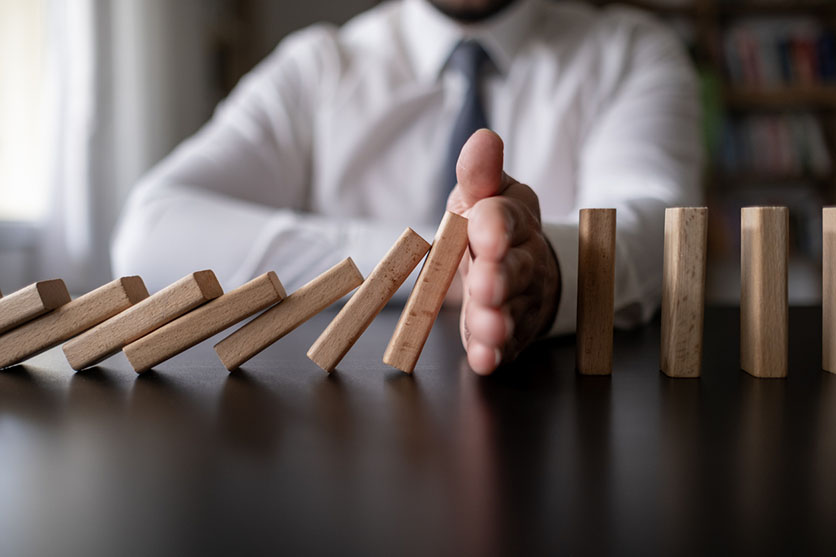
Do not assume that the selling prices in your store are okay to use as a sole source of value. Unless copyright, etc. are involved, this approach will not hold up. Nor does allowing the appraisal client to dictate the marketplace for researching value. Take the time to research the market with the prevailing activity for the item being appraised to determine value that is defendable.
The insurer uses the retail replacement value to ascertain their risk and to set premiums in an actual cash value policy. That is why they seek retail replacement, new, for items still available as new in the marketplace. They want to know the highest possible risk. Yes, agreed value policies exist but these are extremely rare for jewelry. When a casualty loss occurs, the value definition changes as does the effective date. But let us avoid too much depth and address that in a future posting.
Of course, some replacement values for obtaining insurance are not new but only fall into used categories. If it no longer exists as new, then estate marketplaces are likely the target. And, to complicate things, there are collector and artist markets as well. As an appraiser, do not just research retail marketplaces where new items are sold, but also discover other marketplaces that exist. Seek the prevailing market to research.
Written by Bill Hoefer

|

|

|
|

|
|
1. Illustrations - IStock.com.